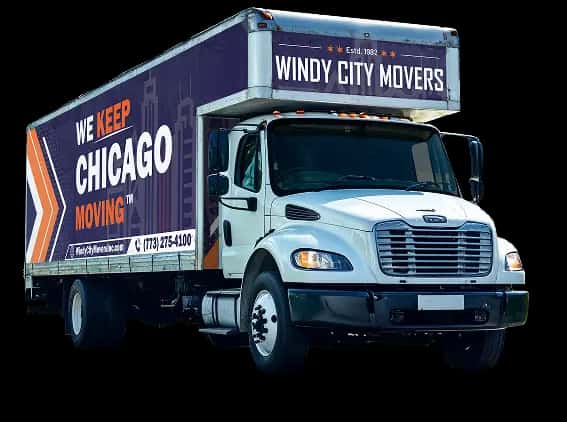
Event & Special Moving in Chicago. What's Actually Involved

Event & Special Moving in Chicago: What's Actually Involved
An event move is a strange creature. It looks like a residential move, boxes, furniture, careful loading, but it operates on rules borrowed from the commercial world: strict windows, venue-controlled access, teardowns that happen at midnight, and a customer whose actual product is running at 7 p.m. that evening. Miss the window and you don't just cost the customer money; you cost them the event.
Chicago has a busy events calendar year-round, weddings across the North Shore and downtown, corporate galas at hotels and museums, trade shows at McCormick Place, popup retail, art installations, filming shoots, community events, and every one of them has moving in it somewhere. Here's what an event or special move actually involves, and what to look for in the crew running yours.
What "event moving" actually covers
Under the same service, a wide range of jobs live:
Wedding load-ins and teardowns. Rented furniture and decor moved into a venue on the day, out at the end of the night. Often with tight venue windows (2-3 hours in, 1-2 hours out).
Corporate events and galas. Similar to weddings, but with more furniture, more AV equipment, more branded materials. Load-in the afternoon, teardown after guests leave.
Trade show and exhibit moves. Booths, displays, samples, and marketing materials to McCormick Place, Navy Pier, or another convention center. Often multi-day load-ins with union labor requirements at the venue side that we work around.
Popup retail and markets. Merchandise, fixtures, and displays moved into a temporary space, out at the end of the run. Chicago has a healthy popup calendar around holidays especially.
Art installations and gallery moves. Pieces moved between studio, gallery, and sometimes a client's home. Often coordinated with the artist or gallery installer.
Film and photo shoots. Furniture and props moved to a location, staged, and moved out at end of day. Time-sensitive on both ends.
Each of these has its own rhythm. All of them share the same core discipline: you don't get a second chance at the window.
The window is the whole job
Residential moves negotiate with time; event moves obey it. The single most important thing about an event move is understanding what the venue allows.
Most Chicago venues assign a specific load-in window (a few hours ahead of the event) and a teardown window (immediately after, often ending at midnight or 1 a.m.). Miss either, and there are consequences: the venue charges overtime, the event starts late, the next event's load-in gets pushed, or the venue simply won't let the truck in.
The crew has to know the exact times before the estimate is finalized. If the load-in is 3–6 p.m., the crew arrives at the storage or warehouse at 2, loads out fast, arrives at the venue at 2:45, and starts moving inside the moment the loading dock opens. If the teardown is midnight–2 a.m., the crew is on-site at 11:30 waiting for guests to clear. This is choreographed work, not spontaneous.
Venue rules that shape the job
Every Chicago event venue has its own operating manual for moving crews. Some of the recurring rules:
Certificate of Insurance (COI). Nearly every commercial venue requires this before a mover works. We handle the COI, usually same-day and always free, but the venue's requirements need to arrive early. Big events with big-name venues often want their COI two or three weeks ahead.
Freight elevator reservations. Hotels, museums, and mixed-use event spaces run on freight elevators, and those windows are reserved and enforced.
Loading dock windows. Convention centers and hotels assign specific dock times. Show up 30 minutes late and you've lost your slot.
Union labor at the venue side. Some Chicago venues (McCormick Place, some hotels) require union labor for certain activities inside the venue. Our crew coordinates the outside-in work; the venue's team may handle the last mile. Any reputable venue will tell you what applies.
Path of travel. Some venues restrict where crews can walk, which doors they can use, what happens in guest-facing areas. Load-in through the service entrance, never the front lobby, is standard for the higher-end venues.
Timing of teardown. Many venues won't allow teardown until the event is officially over, which means the crew waits (billable), and the teardown itself has to fit inside the remaining window.
None of this is a problem when the crew has done Chicago venues before. All of it can go badly when the crew hasn't.
What to send the movers before the event
For any event move, the estimate goes fast when you send four things up front:
- Both addresses (origin and venue), with any staging locations in between
- The venue's rules, COI requirements, load-in and teardown windows, dock and elevator reservations, union requirements if any
- What's moving, with rough quantities. Sixty chairs, twelve rounds, four buffets, ten centerpieces, etc.
- The event timeline, when things need to be in place, when guests arrive, when the event ends, when teardown can start.
Those four inputs get you a specific estimate and a load-in plan built for your event, not a template.
The crew's job in the middle of it all
On event day, the crew does a few things that residential movers don't do routinely:
Stages inside the venue. Furniture and decor come off the truck in an order that matches the setup plan. Chairs to the ceremony first, tables to the reception space, decor to the sides.
Handles rented equipment carefully. Most of what moves for events is rented from someone else, tables, chairs, linens, AV equipment. Damage to rentals costs the event owner real money, so the wrapping and carrying standard is higher than typical of "commercial" work.
Works around the event's other vendors. Florists, AV crews, caterers, event designers, wedding coordinators. The moving crew shows up, does their part quickly, and gets out of the way, then returns for teardown after everyone else has done their part.
Communicates constantly. Event moves happen on tight timelines with multiple stakeholders. A crew lead who's quiet is a crew lead who's a liability. Your event coordinator, venue manager, and rental company all need someone on the crew who's easy to reach.
Teardown is when the real chaos happens
Load-in is planned. Teardown is a scramble by definition, guests are leaving, vendors are packing at the same time, the venue is trying to close, and everyone wants their stuff out.
A good teardown crew:
- Arrives ahead of the window, ready to start the moment the venue clears the space
- Works fast without cutting corners on wrapping and load-securing (rented equipment has to go back the way it came)
- Sorts as they load, so rental company A's items don't end up on rental company B's truck
- Stays until the space is clean, as most venues require, which often means sweeping and stacking after the load-out
That combination, fast, careful, sorted, tidy, is what earns the crew a place on next year's event vendor list.
When to book, and how
Event moves need more lead time than residential moves, because the venue's calendar drives yours. If you're planning:
- A wedding or gala, book the mover as soon as the venue is confirmed. Peak wedding season (May–October) crews book up.
- A trade show at McCormick Place or similar, book six to eight weeks out; venue's official move-in schedule usually publishes 30-60 days ahead.
- A popup or short-run market, two to four weeks is usually enough.
- An art installation or film shoot, as soon as the dates are firm.
Our event and special moving service handles Chicago's event calendar year-round. Weddings, galas, trade shows, popups, installations, shoots. The crew that moves an office knows the same skills; we apply them with the event timeline as the constraint.
Related services you may also need
Depending on the event, one or two of these often come along:
- Full packing service for delicate items or fragile inventory
- Storage between events, for repeat clients (galas, seasonal popups, touring installations)
- Loading and unloading only if you have the truck and just need the muscle at both ends
Ready to plan yours?
Send us the venue, the dates, the windows, and rough inventory. We'll build the estimate around your event. Call (773) 275-4100, email info@wcmoving.com, or start with a free quote. The event runs on time when the load-in does.
Windy City Movers — Your Trusted Moving Partner